
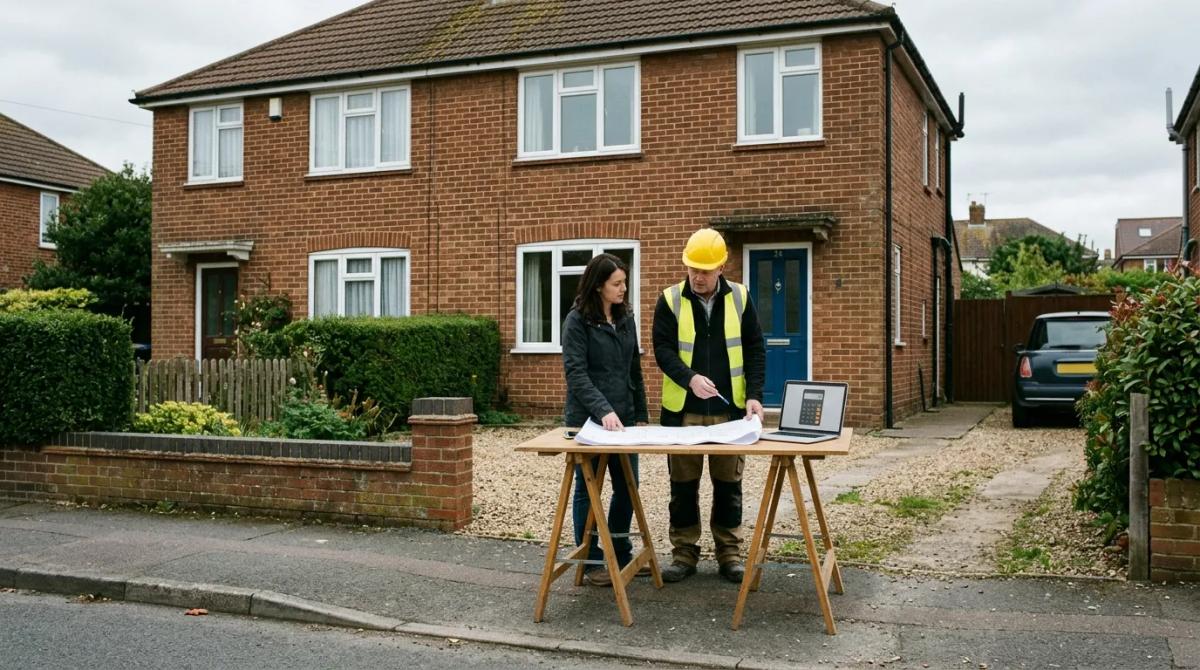
A householder planning application in England costs £528 under the fee schedule in force since 1 April 2025, and a lawful development certificate for proposed work costs half of that, £264. Use the planning application fees calculator below for any other type of application.
Pick the type, add the number of dwellings, hectares or units where the fee is charged per unit, and it returns the statutory fee, the Planning Portal service charge and the total payable. It is written for builders, architects and self builders working out the statutory costs of a job before pricing the build itself, because fees are set by national regulations, not by individual councils, so the figure is the same wherever the site is in England.
Planning application fees calculator
Use the planning application fees calculator to get a figure for your own application rather than a generic average. Choose the application type. Leave the number of units at 1 unless the fee is charged per dwelling, per 0.1 hectare or per 75 m² of new floorspace, which the table below shows. The Planning Portal charge is the one you pay for submitting online; applying direct to the council avoids it.
Planning application fee calculator (England)
- Statutory fee to the council
- £528
- Planning Portal service charge
- £91
- Total payable
- £619
Typical current England fees, in force since 1 April 2025, with the cap on major housing applied automatically. The Planning Portal service charge is typically around £91 including VAT, and generally only applies where the planning fee is over £100. Confirm the figure against the current fee schedule before you submit, since fees are reviewed periodically.
Current England fee table
These are the standard statutory fees in England for applications made since 1 April 2025, with the unit the fee is charged on and the cap where one exists. Fees are index linked and rise periodically. The householder row covers the two most common jobs we price, a single storey extension cost and a loft conversion cost, both charged at the flat £528 fee rather than per m² of floorspace.
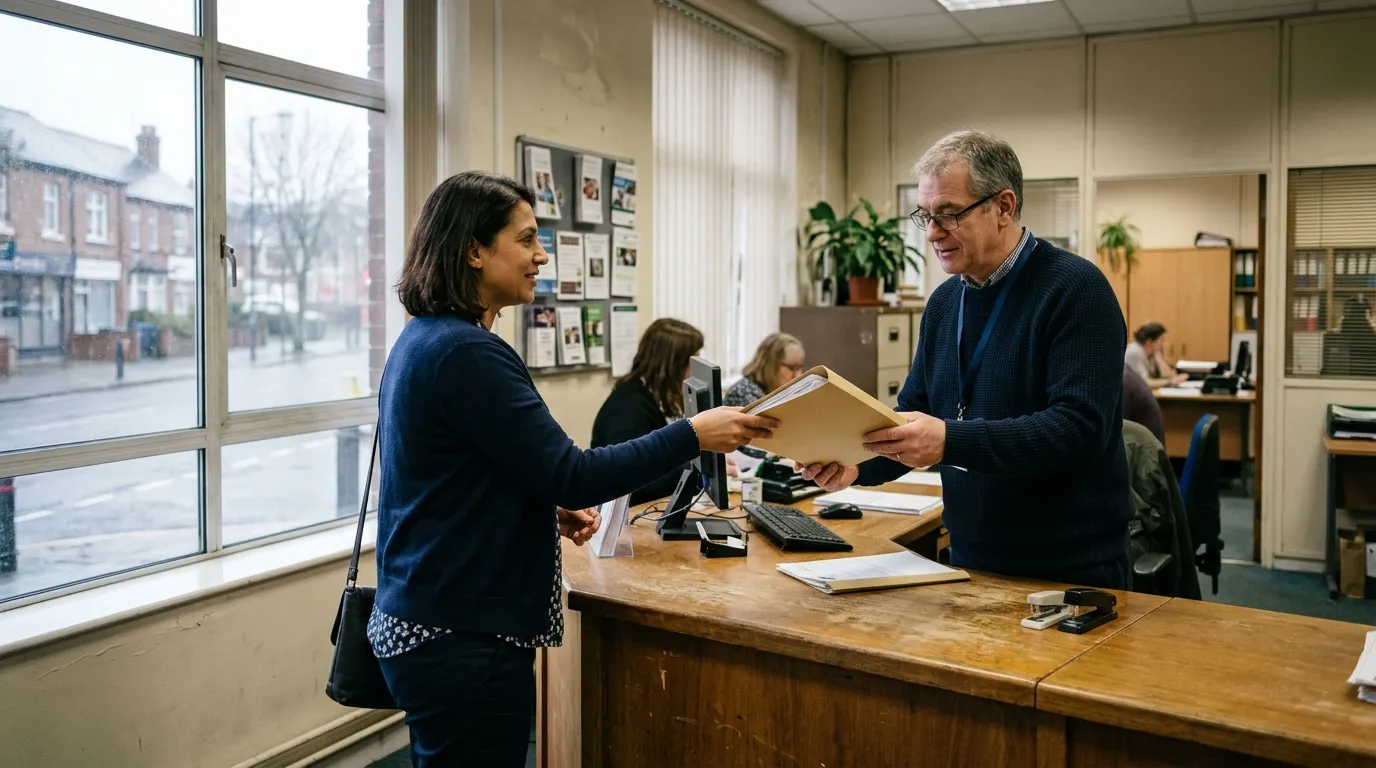
| Application type | Charged on | Current fee | Cap |
|---|---|---|---|
| Householder: extension, loft, conservatory, alteration to one house | Flat fee | £528 | None |
| Householder works to two or more houses | Flat fee | £1,046 | None |
| Outbuilding, garage, gate, fence or wall within the curtilage of a house | Flat fee | £264 | None |
| Full application, new dwellinghouses (fewer than 10) | Per dwelling | £590 | £413,466 |
| Outline application, site up to 2.5 hectares | Per 0.1 hectare | £590 | £206,733 |
| Other new floorspace (commercial, agricultural buildings) | Per 75 m² created | £590 | £413,466 |
| Change of use of a building | Flat fee | £590 | None |
| Reserved matters, where the full fee has already been paid | Flat fee | £590 | None |
| Lawful development certificate, proposed use or development | Half the equivalent fee | £264 (householder) | As the equivalent |
| Lawful development certificate, existing use or development | Full equivalent fee | £528 (householder) | As the equivalent |
| Prior approval, larger single storey rear extension | Flat fee | £240 | None |
| Prior approval, most other permitted development | Flat fee | £120 | None |
| Discharge of planning conditions | Per request | £86 householder, £298 other | None |
| Non material amendment | Per request | About £43 householder, £283 other | None |
| Advertisement consent | Flat fee | About £160 | None |
| Listed building consent | No fee | Free | None |
The full schedule, including the bands for sites over 2.5 hectares and schemes of more than 50 dwellings, is published by the government on GOV.UK and mirrored by the Planning Portal.
How the per unit multiplier works
Most of the fees above are flat, but the big ones are not. A full application for new dwellings is charged per dwelling, an outline application is charged per 0.1 hectare of site area (rounded up), and new commercial or agricultural floorspace is charged per 75 m² created (again rounded up). You multiply the rate by the number of units, and once the total passes the cap for that category, the cap is what you pay.
A worked example. A full application for 12 new houses is 12 units at £590, which is £7,080, well under the cap. A scheme of 750 houses at the same rate would come out at £442,500, which is above the £413,466 cap for major housing, so £413,466 is the fee. On an outline application for a 4 hectare site, the first 2.5 hectares are charged per 0.1 hectare and the land above that is charged at a lower rate per 0.1 hectare, with a £206,733 cap.
The Planning Portal service charge
Applying online through the Planning Portal adds a service charge that goes to the Portal, not to the council. It currently runs at around £91 including VAT per submission, and it only applies where the planning fee is over £100.
It does not apply to applications with no fee or a fee of £100 or less, such as listed building consent, tree works in a conservation area or under a tree preservation order, demolition in a conservation area, works for a disabled person or a free resubmission. It can also be avoided on any application by sending the forms and drawings direct to the local planning authority instead of through the Portal, which most councils still accept, though some add their own handling charge for paper or email submissions.
The Planning Portal is also moving to banded charges of £0, £99 or £149 including VAT depending on the application type, with a householder extension in the higher band, so check the figure shown at checkout.
When there is no fee, or a reduced one
Several applications are free or discounted, and they are easy to miss:
- The free go. One resubmission within 12 months of a refused or withdrawn application, on the same site and for a similar scheme by the same applicant, carries no fee.
- Listed building consent and conservation area consent carry no planning fee at all.
- Works for a disabled person, alterations or access works to a dwelling or a building open to the public to meet the needs of a disabled occupant, are free.
- Alternative applications for the same site submitted together on the same day are charged at the highest single fee plus a reduced amount for each of the others.
- Retrospective applications get no discount. An application for work already carried out is charged at the same statutory fee as the equivalent normal application, so a retrospective householder extension is still £528.
Fees in Wales, Scotland and Northern Ireland
Planning is devolved and each nation sets its own schedule, so the England table does not apply outside England.
| Nation | Householder application | New dwelling, full application |
|---|---|---|
| England | £528 | £590 per dwelling |
| Wales | £560–£600 | About £630–£680 per dwelling |
| Scotland | £350–£400 | About £700–£750 per dwelling |
| Northern Ireland | About £170–£200 | About £550–£600 for one dwelling |
Wales and Scotland both run their own index linked schedules, and Northern Ireland operates a separate system through the Department for Infrastructure under its own fee regulations, with a flat scale rather than England's per-dwelling multiplier, and its fees sit below the rest of the UK for householder work. Check the live figure on the relevant national planning portal before you submit there.
Statutory fees against professional fees
The council fee is one line. The drawings, reports and advice that get an application validated and approved are separate professional fees, paid to different people, and they are what actually moves the number on a client's budget. Typical current UK ranges, including VAT:
| Fee line | Typical current range |
|---|---|
| Planning drawings, householder extension or loft | £1,000–£2,500 |
| Planning drawings, two storey or complex scheme | £2,000–£3,500 |
| Planning consultant, householder or small scheme | £600–£2,500 |
| Planning consultant, multi unit or contentious scheme | £3,000–£10,000 |
| Structural engineer, beam design and calculations | £500–£1,500 |
| Pre application advice, householder | £60–£500 |
| Pre application advice, major scheme | £1,000–£3,000 |
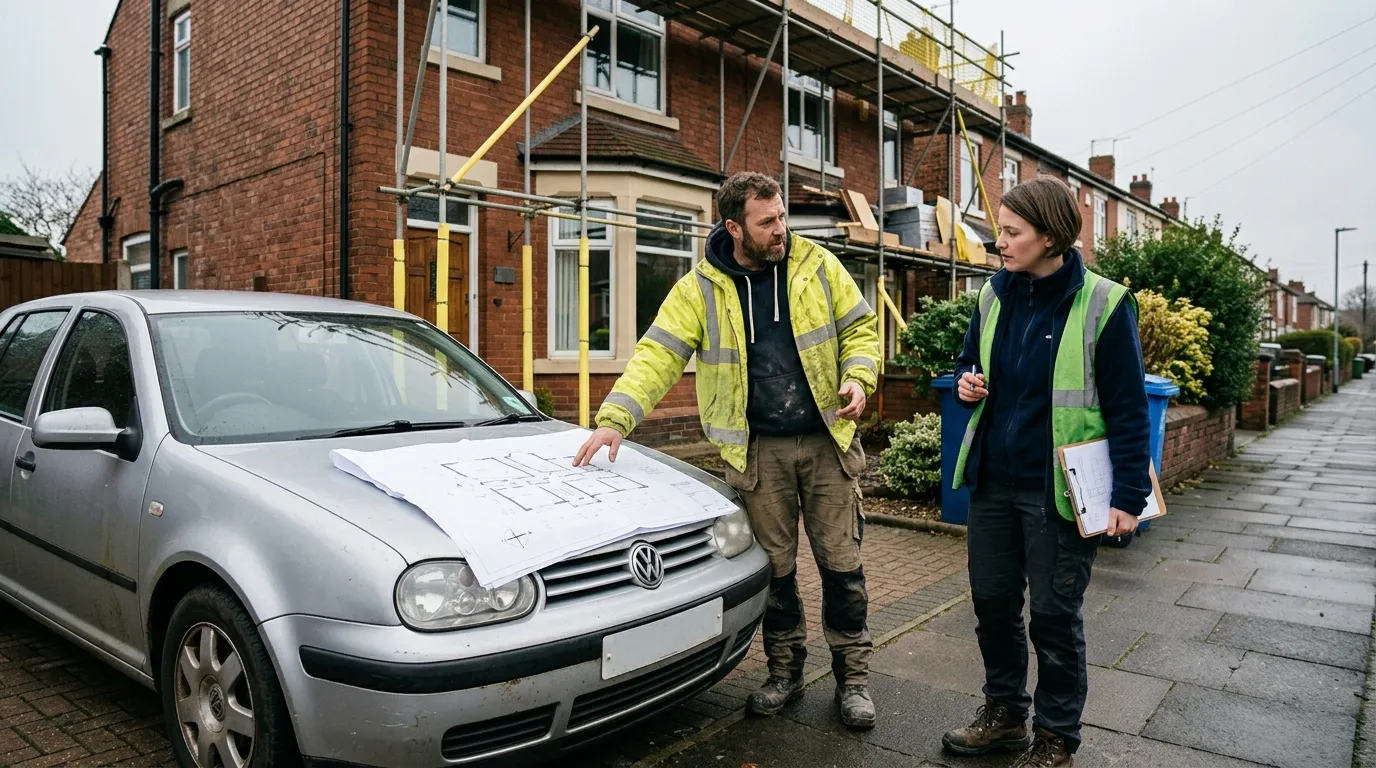
The low end of any of those is the bare minimum, and it is worth saying so to a client. A £600 set of planning drawings is usually a plan and an elevation good enough to apply with, and nothing more: no building regulations package, no structural calculations, no co-ordination with the engineer, and no one to answer the case officer's questions when they come. A planning fee buys a decision and nothing else. It does not pay for drawings, surveys, the party wall process or building control, and a "we'll handle the planning for £X" price that matches the council fee closely is a price with all of that left out.
The planning fee and the building control fee are not the same thing and are never paid to the same place: planning permission is consent for the principle and design of the work, while building control, paid separately to the council's building control team or an approved inspector, checks and signs off that the work itself meets the UK building regulations, typically £600–£1,200 including VAT for a domestic extension's plan checking and site inspections. Our EPC certificate cost page covers building control and the other statutory certificates in more detail, and party wall notices, agreements and surveyor cost covers the party wall fees that often land on the same job.
Paying the fee, step by step
- Work out the fee from the calculator above and check it against the current national schedule.
- Submit the application with the fee. The fee is due on submission: the council will not validate an application until it is paid.
- The fee is set by national regulations, not by the council, so there is nothing to negotiate locally.
- If the application is refused or withdrawn, the fee is not refunded, but the free go gives you one resubmission within 12 months.
- Fees are reviewed and rise periodically, so confirm the figure on the day you submit rather than the day you priced the job.
Where the fee sits in the client's budget
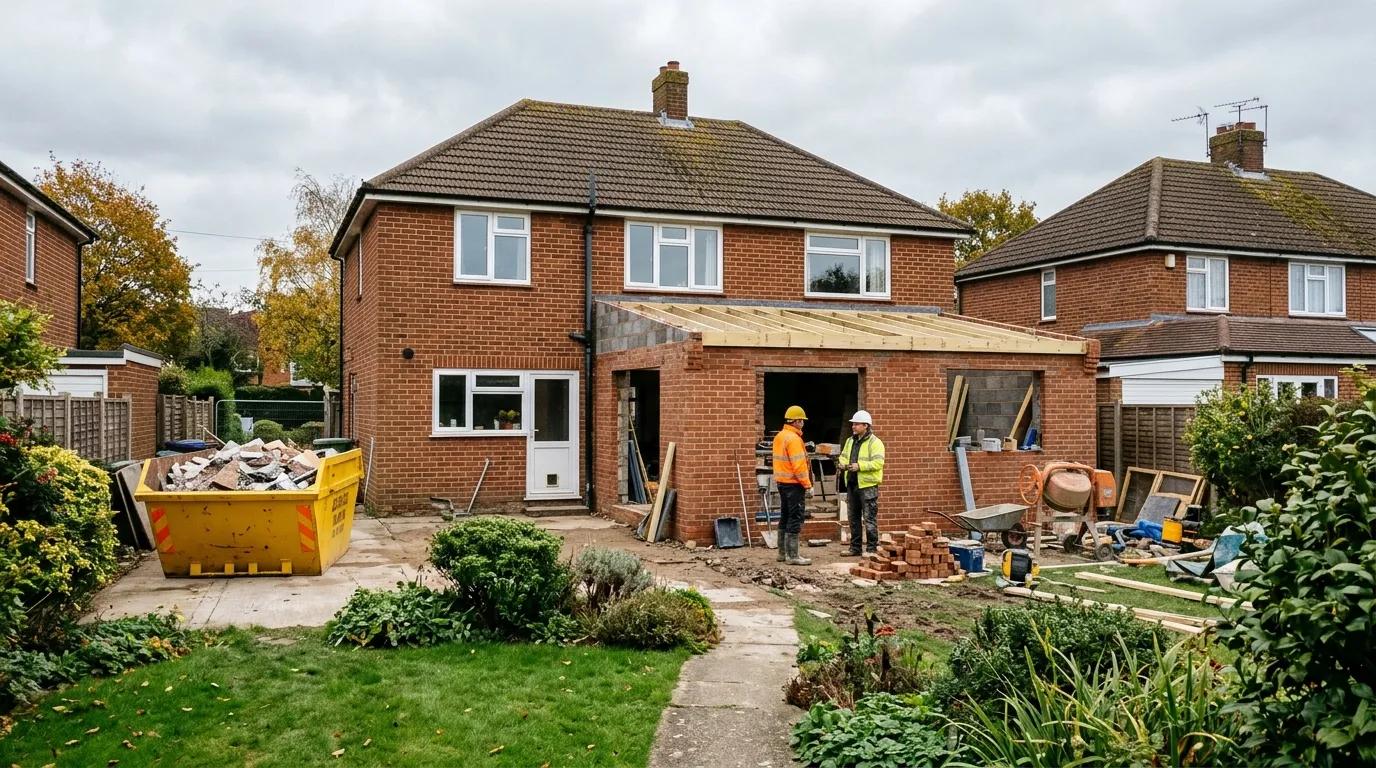
For a builder pricing a single storey extension cost, the planning fee is a rounding error. £528 against a £60,000 to £120,000 build is less than one per cent, and clients who spend weeks on the fee often have no figure at all for the work itself. Put it on the estimate as its own statutory line, keep it separate from the construction cost, and get the build number in front of the client early, before the scheme they have applied for turns out to be one they cannot afford to build.
Our building cost calculator gives the build cost per m² for the main project types, and a detailed construction estimate prices the job trade by trade once the drawings are ready, with the planning fee and every other statutory and professional fee sitting as their own separate lines. Running both the planning application fees calculator and the build cost calculator before work starts gives a client the whole picture, not just the statutory line. Builder Expert's construction estimating services turn that whole picture into a priced estimate ready to put in front of a client.
Last reviewed: November 2026. Planning fees are set by national regulations and change, so confirm the current figure against the published fee schedule before you submit.